Blueberry Lemon Sourdough Recipe
There’s something truly magical about the alchemy of baking, isn’t there? The way simple ingredients like flour, water, and salt transform into something so comforting and delicious has always captivated me. When it comes to bread-making, particularly sourdough, it’s not just about producing a loaf—it’s about nurturing a living creation. My Blueberry Lemon Sourdough Recipe is a delightful embodiment of this experience, bursting with the vibrant flavors of summer. Picture warm slices topped with melting butter, the sweet bursts of blueberries mingling with a hint of zesty lemon—it’s an utterly intoxicating symphony of flavors that dances on your palate and brings a little sunshine to any table.
Baking this Blueberry Lemon Sourdough isn’t merely a culinary task; it’s a personal journey steeped in tradition and innovation. As you knead the dough and fold in those juicy blueberries, you’re engaging in an age-old practice while also adding your unique twist to it. This recipe is perfect for any occasion—be it a leisurely Sunday brunch or simply as an indulgent treat after dinner. With each bite, you’ll be reminded not only of the joy of baking but also of the love that goes into sharing food with friends and family. So, are you ready to embark on this flavorful adventure? Let’s dive in!
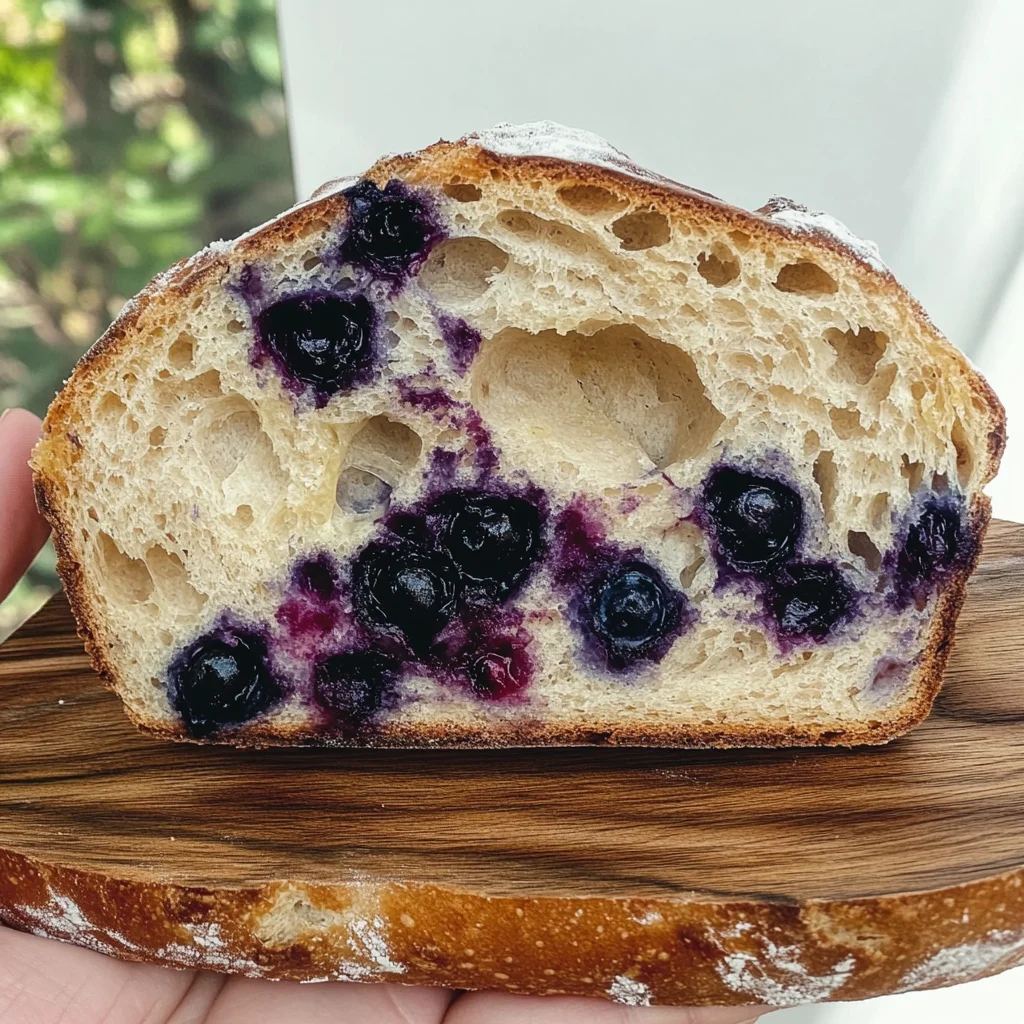
Blueberry Lemon Sourdough Recipe: A Burst of Summer in Every Slice
Ah, this Blueberry Lemon Sourdough! It’s more than just bread; it’s a celebration of everything we adore about summer. The sweet blueberries bring their natural sweetness and juiciness, while the lemon zest adds that invigorating brightness we all crave during those warm months. This fusion creates a loaf that’s not only beautiful but also profoundly satisfying with each bite—especially when enjoyed fresh out of the oven!
As we embark on this culinary journey together, let’s gather our ingredients. Each component plays an essential role in crafting this delightful bread that will surely become a favorite in your home.
Ingredients:
For our Blueberry Lemon Sourdough Recipe, we’ll need:
- 100 g active starter: Your sourdough starter is the heart and soul of this recipe—it’s what gives our bread that characteristic tangy flavor and airy texture. Make sure your starter is bubbly and at its peak activity before using it; this means feeding it 6-10 hours beforehand so it can thrive! If you’re new to sourdough baking, remember that maintaining an active starter requires regular feedings with flour and water to keep those wild yeast cultures happy.
- 500 g bread flour: Bread flour is crucial here because it has a higher protein content than all-purpose flour, which contributes to gluten development. This gluten is what allows your dough to rise beautifully while providing that lovely chewy texture we all love in sourdough bread. When selecting your flour, look for high-quality brands; organic options often yield better flavor and results.
- 355 g room temperature water (335g for initial dough + 20g when adding salt): Water might seem like such a simple ingredient, but its temperature and quality significantly affect fermentation and dough hydration! Using room temperature water helps activate your starter efficiently without shocking its yeast culture. The addition of water during mixing helps form the gluten structure necessary for our final loaf.
- 100 g fresh blueberries: These little gems are not only packed with antioxidants but also add bursts of sweetness throughout our sourdough! Opt for ripe, plump blueberries for the best flavor—they should be firm yet slightly yielding to pressure. When mixing them into your dough later on, handle them gently to prevent crushing them completely; we want those gorgeous pockets of fruit intact!
- Zest of one lemon: Ahh, the bright zing from lemon zest! It infuses our bread with an uplifting aroma that complements the sweetness of the blueberries perfectly. Be sure to use organic lemons if possible; their zest retains more essential oils without any waxy coatings found on conventional lemons. Just avoid grating too deep into the pith—this can introduce bitterness.
- 10 g salt: Salt isn’t just for seasoning; it controls fermentation speed and strengthens gluten structure during kneading—absolutely paramount for creating the perfect crumb! I recommend using sea salt or kosher salt for their purity and flavor enhancement qualities. Remember not to skip or skimp on salt; it’s essential for balance in your final product.
Equipment You’ll Need:
Having the right tools can make all the difference in your baking experience! While they may not be ingredients themselves, these essential partners will help turn your vision into reality:
- Mixing bowl: A large bowl is key for incorporating all your ingredients without making a mess! Choose one that feels sturdy—glass or stainless steel works great as they don’t retain odors or stains.
- Dough scraper: This handy tool helps you manage sticky dough effortlessly; it’s perfect for folding during bulk fermentation as well as transferring your dough from one surface to another without losing precious bits!
- Proofing basket (banneton): Using a banneton helps shape your loaf while allowing air circulation during proofing—a crucial step for achieving that beautifully artisanal crust! They come in various sizes and materials, but cane or rattan baskets are traditional favorites.
- Dutch oven or baking stone: A Dutch oven creates steam while baking—this is vital for developing crusty exteriors without drying out the loaf too quickly! If you don’t have one, baking stones can provide similar results by retaining heat well.
- Kitchen scale: Precision matters when measuring ingredients for sourdough! A kitchen scale ensures accuracy with weight rather than volume measurements—a non-negotiable step if you want consistent results every time.
Now that we have our ingredients prepped and tools at hand let’s roll up our sleeves and start crafting this beautiful Blueberry Lemon Sourdough!
Step 1: Feeding Your Starter
Before diving into mixing dough, let’s give some love to our starter! About 6-10 hours before you begin making your Blueberry Lemon Sourdough Recipe, feed it with equal parts flour and water by weight (usually around 1:1 ratio). This crucial step awakens those sleepy yeast cultures so they can perform their magic later on when combined with other ingredients. You’ll know your starter is ready when it’s bubbly and has doubled in size—a sign that it’s alive and thriving!
Step 2: Mixing Your Dough
In a large mixing bowl, combine 335 grams of room-temperature water with all of your active starter followed by 500 grams of bread flour. Use your hands or a spatula to mix until no dry flour remains—the aim here is full incorporation without overworking yet—just ensure everything is combined well! Cover this mixture with a damp cloth or plastic wrap so it can rest undisturbed for about 20-30 minutes—a process known as autolyse—which helps hydrate the flour fully while allowing enzymes to begin breaking down starches into sugars.
Step 3: Adding Salt & Kneading
After letting everything rest beautifully together during autolyse time (which smells divine!), sprinkle 10 grams of salt over top along with the remaining 20 grams of water. Knead lightly by hand until you feel confident that those little salt granules have vanished into the mix—you want about 1-2 minutes here just enough so everything feels cohesive yet still sticky—that’s normal! Salt plays such an integral role throughout fermentation stages; it enhances flavor while controlling yeast activity…so don’t rush through this part!
Step 4: Bulk Fermentation
Now comes perhaps my favorite part—the bulk fermentation stage! After kneading lightly earlier on (trust me—it makes all difference), cover up again loosely with either cloth or wrap then leave at room temperature (around 75°F/24°C) for approximately 30 minutes before adding any additional goodies like blueberries or zest later down line—it allows time for gluten development before introducing extra moisture from fruits which could interfere if added too soon! Watch closely during these intervals because patience pays off big—but don’t worry if things get slightly puffy first…that’s just progress!
This process will continue unfolding over several hours as we stretch-and-fold throughout multiple sessions (with around half hour intervals) until finally achieving lightness indicative readiness within about four total hours depending upon ambient temperatures surrounding us…so keep an eye out on consistency changing textures feeling soft yet elastic under fingertips as signs success ahead beckons eagerly waiting next steps onward toward shaping final loaves coming soon thereafter…
I hope you’re feeling excited already because we’ve just begun creating something truly extraordinary together—it only gets better from here! Stay tuned as we shape our dough next…
Step 5: The Art of Incorporation – Adding Flavor and Texture
Now comes one of my favorite parts of this Blueberry Lemon Sourdough Recipe – it’s time to marry the flavors of our fresh blueberries and zesty lemon to the dough. After your initial resting period, which is crucial for allowing the flour to fully hydrate, we’ll introduce these vibrant ingredients. You’ll want to gently fold in the blueberries and lemon zest after adding the salt and the remaining water. This step is all about tenderness; we don’t want to squish those beautiful blueberries into oblivion! Instead, use a method called “stretch and fold.” This technique not only helps to incorporate your fruits but also strengthens the gluten structure, giving your loaf that delightful chewiness.
To perform a stretch and fold, grab a side of your dough, gently stretch it upwards, then fold it over onto itself. Repeat this on all four sides – think of it like wrapping a present! You should see little pockets forming as you go, which is exactly what you want. Trust me on this: this gentle handling preserves the integrity of the blueberries while also incorporating their juices into the dough. After you’ve folded in those gorgeous pops of color and flavor, let the dough rest for another 30-40 minutes before repeating the stretch and fold technique once more. This process promotes fermentation, allowing wild yeast to work its magic while building strength in your dough. Keep an eye on its texture; it should be supple yet elastic, a sign that it’s well on its way to becoming something truly extraordinary.
Step 6: The Bench Rest – Giving Your Dough Time to Shine
After completing your bulk fermentation and those delightful folds, we’re going to give our dough a brief respite – or what bakers affectionately call a “bench rest.” This simple yet pivotal stage allows the gluten strands to relax after all that stretching and folding. When you remove your dough from the bowl, you’ll notice how much air has been captured within; that’s all thanks to our friend, fermentation! Take care not to deflate it too much during this step. Lightly dust your countertop with flour before placing your dough down so that it doesn’t stick.
Letting it rest for about 20 minutes will do wonders for its ability to hold shape when we get ready for shaping later on. Why does this matter? Think of it like letting a good steak rest after cooking; it redistributes moisture and gives you a better final product. During this time, you can admire your handiwork—feel free to poke at it lightly; if it springs back slowly but still holds an indentation where you touched, you’re golden! Remember not to rush through this step; patience here will reward you with a beautifully shaped loaf.
Step 7: Shaping Your Masterpiece – Forming Your Loaf
With your dough now well-rested and slightly puffy from that magical bench time, it’s time for shaping! This is where we create our loaf’s structure which will ultimately help in achieving that lovely rise in the oven. First things first: lightly flour your work surface again if needed. Gently flip your dough over so that any seams are facing up—this will help us seal everything together nicely during shaping.
Start by gently stretching out the corners towards the center of your dough—a technique known as “pre-shaping.” This creates tension across the surface which will contribute beautifully to its final rise. Once you’ve created a round shape, cover it with a towel or plastic wrap while you let it rest again for around 20-30 minutes—this short intermission allows those gluten strands again to relax just enough so that when we shape our final loaf into its home—the proofing basket—it won’t spring back against us too much.
When you’re ready for final shaping, flip the rested round over once more so that the seam side is facing up again. Now gather each corner toward the center one last time before flipping it back over onto its seam side—the goal here is creating surface tension that will help lift your bread sky-high during baking! Place this beauty seam side up into your proofing basket lined with flour-dusted linen or parchment paper (to prevent sticking). Seeing how effortlessly you’ve transformed simple ingredients into something stunning fills my heart with joy!
Step 8: The Final Rise – Patience Pays Off
Now comes one of those moments where patience truly pays off—our final rise! At this point in our Blueberry Lemon Sourdough Recipe, we have two choices: either allow our beautifully shaped loaf to rise at room temperature or opt for a slower cold fermentation in the fridge for up to 72 hours. What makes these options special? A room-temperature rise will yield a bolder flavor profile due to quicker fermentation processes while cold fermentation brings out deeper complexities as flavors develop more gradually over time.
If you choose room temperature—which I sometimes do when I’m eager—I recommend covering with a dish towel or plastic wrap and letting sit undisturbed for about two hours or until doubled in size; keep an eye out for visual cues like puffiness as indicators of readiness. Alternatively, if opting for cold fermentation (a favorite method among many seasoned bakers), simply pop your proofing basket straight into the fridge after covering; just remember though that longer isn’t always better—over-fermentation can lead us astray when aiming for perfectly textured bread!
Regardless of which route you choose, if rising at room temperature—consider placing your shaped loaf in freezer for roughly ten minutes before baking; trust me on this tip! It firms up just enough so scoring becomes easier without compromising an airy crumb structure later during baking—every detail counts!
Conclusion:
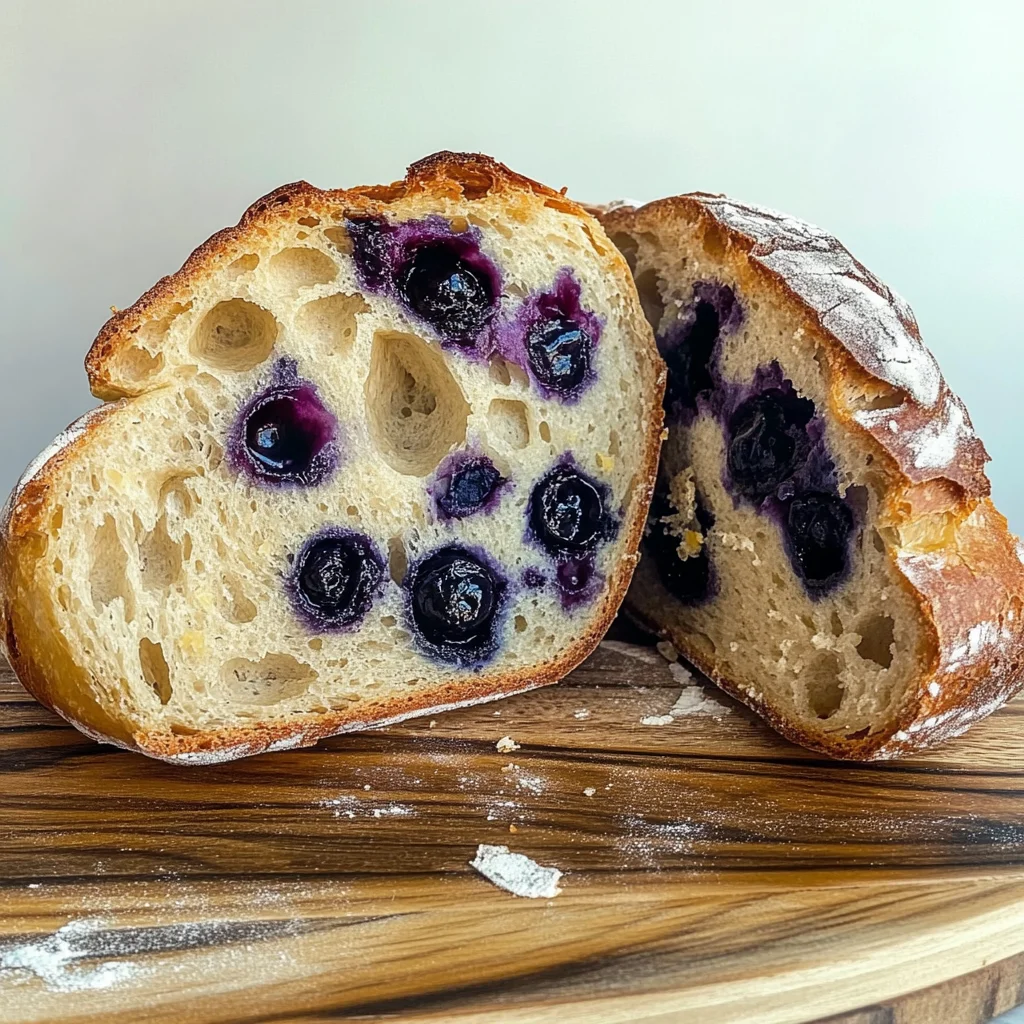
What an adventure we’ve had together through this Blueberry Lemon Sourdough Recipe! I hope my excitement has rubbed off on you because there’s something magical about creating such a vibrant loaf that encapsulates summer’s essence right in your kitchen. The harmony of sweet blueberries dancing with zesty lemon elevates this sourdough beyond the ordinary. Each bite offers not just flavor but also texture—the soft crumb contrasted by a crust that’s perfectly crisp—creating a symphony that sings both comfort and celebration.
This recipe is a must-try for anyone who loves baking and cherishes moments spent in the kitchen. It’s not just about enjoying delicious bread; it’s about experiencing the joy of making something beautiful from scratch—something that fills your home with warmth and invites family and friends around the table. Picture pulling this golden loaf from the oven; the warm tang wafts through the air, enticing everyone nearby. Whether you’re sharing it during Sunday brunch or as an afternoon snack while lounging on the porch, this sourdough bread shines brilliantly in any setting.
Serving suggestions abound! Imagine savoring one slice with fresh fruit preserves and herbal tea for an afternoon pick-me-up; each mouthful bursting with sweetness as those blueberries sing out against the tartness of lemon. Or perhaps slathering it generously with nut butter post-workout—a protein-rich reward after all that effort! For an indulgent treat, try pairing it with a scoop of dairy-free vanilla ice cream for dessert; there’s nothing quite like warm bread melting into creamy goodness!
Feeling adventurous? This recipe is wonderfully adaptable! You could swap out blueberries for seasonal fruits like raspberries or cherries when they’re ripe—each providing its unique twist while maintaining that refreshing citrus note from lemon zest. Or why not add some finely chopped herbs like thyme or rosemary to play off those fruity elements? You can also experiment with different types of flour if you’re feeling creative—the world is your bakery! So go ahead, dive into making this sourdough masterpiece, share your experiences with others, and watch as each loaf brings happiness into your home!
Blueberry Lemon Sourdough

Indulge in the vibrant flavors of summer with our Blueberry Lemon Sourdough Recipe. This delightful bread combines the tangy essence of sourdough with sweet bursts of fresh blueberries and a zesty hint of lemon. Perfect for any occasion, whether enjoyed warm with a pat of butter or as an elegant addition to your brunch spread, this recipe brings both comfort and a touch of sunshine to your table. Experience the joy of creating something special from scratch, and let every slice transport you to sunny days filled with flavor.
- Prep Time: 30 minutes
- Cook Time: 55 minutes
- Total Time: 1 hour 25 minutes
- Yield: Approximately 12 servings 1x
- Category: Dessert
- Method: Baking
- Cuisine: Homemade
Ingredients
- 100 g active sourdough starter
- 500 g bread flour
- 355 g room temperature water (335g for initial dough + 20g when adding salt)
- 100 g fresh blueberries
- Zest of one lemon
- 10 g salt
Instructions
- Feed your sourdough starter about 6-10 hours prior to baking, ensuring it’s bubbly and active.
- In a large mixing bowl, combine 335 g room temperature water and the active starter. Add in the bread flour and mix until no dry flour remains. Cover and let rest for 20-30 minutes.
- Sprinkle 10 g salt over the dough along with the remaining 20 g water. Gently knead for about 1-2 minutes until combined.
- Begin bulk fermentation by covering the bowl and letting it rest at room temperature for approximately 30 minutes. Stretch and fold every half hour, incorporating blueberries and lemon zest after the first hour.
- Allow the dough to rise until doubled in size (approximately 2 hours at room temperature).
- Shape your loaf and place it into a proofing basket lined with flour-dusted linen. Let it rise again for another hour or opt for cold fermentation in the fridge for several hours.
- Preheat your oven to 500°F (260°C) while your dough is rising.
- Score the loaf and bake covered for 20 minutes before lowering the temperature to 400°F (200°C) to bake for an additional 35 minutes or until golden brown.
- Cool on a rack before slicing.
Nutrition
- Serving Size: 1 slice
- Calories: 150
- Sugar: 5g
- Sodium: 210mg
- Fat: 0.5g
- Saturated Fat: 0g
- Unsaturated Fat: 0g
- Trans Fat: 0g
- Carbohydrates: 31g
- Fiber: 2g
- Protein: 4g
- Cholesterol: 0mg