Jerusalem Easter Dinner (Holy Week Tradition)
There’s something profoundly beautiful about gathering around a table to share a meal that transcends time and culture, don’t you think? As we prepare to celebrate Easter, I find myself reflecting on the rich tapestry of flavors and traditions that connect us to those who came before. The Jerusalem Easter Dinner (Holy Week Tradition) is much more than a meal; it’s a heartfelt homage to the foods Jesus might have eaten during His last week on earth. Imagine the aroma of baked tilapia mingling with the sweetness of figs and honey, all while the vibrant colors of grapes and fresh bread beckon you closer. This dinner invites your family to join in an intimate experience—one that nourishes not just your body but also your spirit.
As we embark on this culinary journey together, I can’t help but feel excited about sharing this recipe with you! It’s simple yet filled with meaning—a way to honor tradition while creating new memories with those you love. Each ingredient reflects a piece of history, connecting us through taste and texture, creating a symphony of flavors that will resonate long after the last bite. Trust me, when you serve this dish at your table, your loved ones will feel that warmth, too. So let’s gather our ingredients and dive into this delightful celebration of food!
Jerusalem Easter Dinner (Holy Week Tradition): A Celebration of Heritage
This Jerusalem Easter Dinner is designed to be both easy to prepare and utterly satisfying—a perfect blend for any occasion during Holy Week or any family gathering. With its vibrant array of ingredients, this Mediterranean-inspired feast not only honors tradition but also showcases the beauty of fresh produce and wholesome flavors. So, roll up your sleeves and let’s create something truly memorable together!
Ingredients:
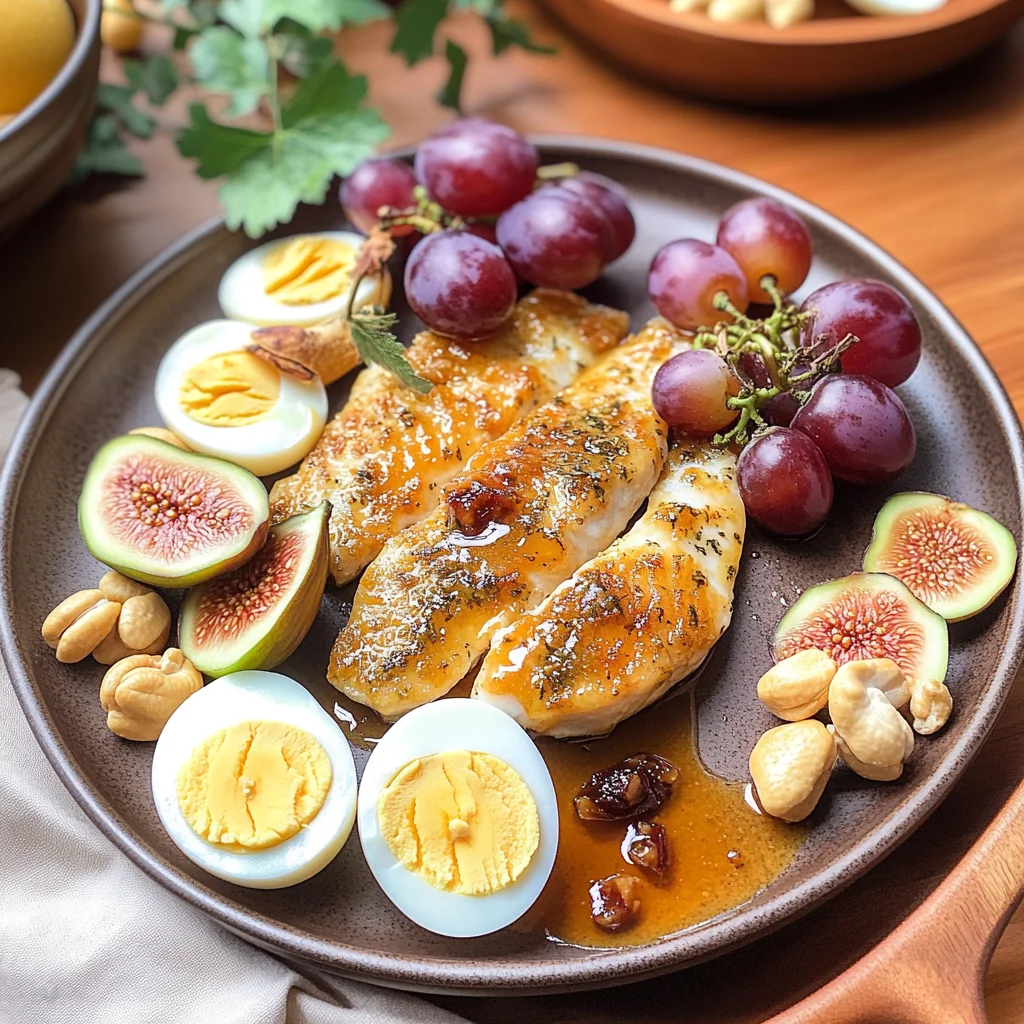
This recipe is an opportunity to explore some truly wonderful ingredients that come together beautifully in our Jerusalem Easter dinner.
- 4 herb tilapia fillets. The delicate flavor of tilapia makes it an ideal choice for baking; it absorbs seasonings well while maintaining its flaky texture. Herb-infused fillets bring an aromatic complexity that elevates the dish from simple fish to something quite special. Look for fillets that are firm and moist—preferably wild-caught if available—since they typically offer better flavor than farmed varieties.
- 2 bunches red grapes. Juicy and sweet, these grapes add a burst of freshness that contrasts beautifully with the savory elements of the dish. Their natural sugars caramelize slightly when warm, enhancing their flavor profile even further! When selecting grapes, look for plump clusters with no signs of shriveling or browning; they should be vibrant in color with firm skins.
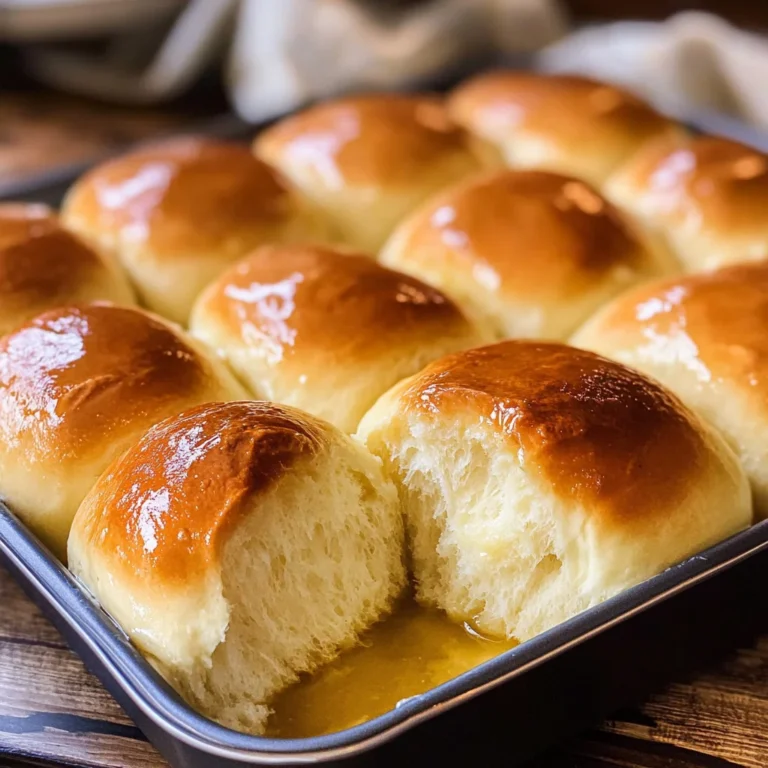
- 1 loaf sourdough bread. Ahh, sourdough—an absolute classic! Its tangy notes complement the sweetness of figs and honey perfectly while providing a rustic base for everything else on your plate. Sourdough has a lovely chewy texture that adds depth to each bite; make sure you choose one that’s crusty on the outside yet soft inside.
- 6 figs. These little gems bring an almost candy-like sweetness that pairs beautifully with savory dishes. Figs were treasured in ancient times and are still celebrated today for their unique flavor and texture; they add an elegant touch to our meal! When shopping for figs, opt for ones that are plump but not overly soft—this ensures they’re at their peak freshness.
- 3 hard-boiled eggs. They provide protein and heartiness to our spread while offering a delightful creaminess when combined with honey or preserves. Plus, they add another layer of texture! Hard-boiling eggs is simple; just remember not to overcook them—overcooked yolks can turn chalky.
- 1/3 cup honey. This liquid gold is not only naturally sweet but also carries historical significance as one of nature’s most cherished sweeteners. Honey lends warmth to our dish and complements both savory and sweet flavors alike! When choosing honey, look for raw or local varieties if possible—they often contain more nutrients and taste incredible.
- 1/3 cup apricot preserves. The bright tartness of apricot preserves adds another dimension entirely—a playful contrast against the richer elements in our dinner. It’s the kind of ingredient that transforms simple bites into extraordinary experiences! Make sure to pick preserves made from real fruit without unnecessary additives for optimal flavor.
- 1/4 cup olive oil. Renowned for its health benefits as well as its flavor-enhancing properties, high-quality extra virgin olive oil is an essential ingredient here! It brings richness to our dish while helping other flavors shine through without overpowering them—this step is absolutely paramount!
- 2 tablespoons balsamic vinegar. This tangy elixir provides balance; its acidity cuts through richness while adding depth to our overall dish profile—trust me on this one! Choose a good-quality balsamic vinegar; it should be slightly syrupy for best results.
- 1.6 ounces cashews (about 1/3 cup). These crunchy delights introduce another layer of texture—their creamy richness complements every other element beautifully! Look for raw cashews if you want more control over seasoning; otherwise, roasted can work wonderfully too!
Equipment You’ll Need:
Having the right tools at your disposal makes all the difference when cooking up something special like this Jerusalem Easter Dinner (Holy Week Tradition). While they may not be ingredients, these kitchen essentials ensure everything flows smoothly as we create magic together!
- Baking sheet lined with parchment paper – This handy tool prevents sticking during baking while ensuring even cooking throughout your fillets—a non-negotiable step in achieving perfectly baked fish!
- Cutting board – A sturdy cutting board is essential for prepping all those beautiful ingredients—we’ll be slicing figs, bread, eggs—you name it! Opt for wood or bamboo boards if possible; they’re easy on knives and durable over time.
- Sharp knife – A good-quality chef’s knife will make quick work of slicing through all those ingredients—you want clean cuts without tearing delicate items like figs or bread!
Now that we’ve gathered our ingredients and tools, let’s dive into preparing this delightful Jerusalem Easter Dinner (Holy Week Tradition)!
Step 1: Preheat Your Oven Like You Mean It
Preheating your oven isn’t just a step—it’s crucial! Set it to 400 degrees Fahrenheit so it’s sizzling hot when you slide those herb tilapia fillets in later on; this helps achieve that gorgeous golden-brown exterior while keeping everything tender inside. Think about how restaurant chefs always have their ovens ready ahead of time—that’s because it makes such a difference in cooking performance!
Step 2: Prepare Your Baking Sheet
Grab your baking sheet and line it with parchment paper—it’s like giving your fish a cozy blanket! This non-stick surface helps prevent any sticking or burning as they cook away nicely in their own juices infused with herbs from earlier prep work (if you didn’t already guess!).
Step 3: Place Tilapia Fillets On The Sheet
Arrange four herb-infused tilapia fillets evenly spaced out across your prepared baking sheet—give each one enough breathing room so they can cook uniformly without overcrowding each other will result in steam instead of crispness! Bake them for about 20 minutes until they’re opaque throughout—the aroma wafting from them will have everyone eagerly anticipating dinner!
Step 4: Multi-task While Your Fish Cooks
While those lovely fillets are busy transforming into something extraordinary inside the oven, use this time wisely by prepping all other components: rinse two bunches of red grapes under cool water before setting aside—they’ll need minimal fuss later on since they’re perfect as-is! Next up: slice open six ripe figs along their natural seams (don’t forget how stunning they look!).
And there we go—our first few steps lay down a beautiful foundation for what promises to be an extraordinary meal steeped in tradition yet bursting with modern flavors! Stay tuned as we continue crafting this delightful Jerusalem Easter Dinner (Holy Week Tradition)!
Step 5: Prepare the Accompaniments Like a Master Chef
Now that your tilapia fillets are happily baking away in the oven, it’s time to bring together the beautiful accompaniments that will transform this dish into a feast worthy of celebration. Begin by rinsing the two bunches of red grapes under cold water, letting them bask in the coolness for a moment before you place them on a clean kitchen towel to dry. You want these grapes to be plump and juicy, bursting with flavor with each bite. Grapes have been enjoyed since ancient times, and they offer not just sweetness but also a refreshing balance to the richness of the fish. Trust me on this—this little detail elevates your Jerusalem Easter dinner from good to absolutely extraordinary.
Next up, grab that loaf of crusty sourdough bread. You’ll want to slice it into thick wedges that can hold their own against all those heavenly toppings we’re about to assemble. Aim for slices about an inch thick; this ensures they provide enough substance for dipping into honey or enjoying alongside the fish. As you cut through the crusty exterior, let yourself be enveloped by the intoxicating aroma of freshly baked bread—it’s truly one of life’s simple pleasures! Don’t rush this step; take your time to enjoy the tactile sensation of slicing through bread, and remember: it’s all about those little moments that make cooking so fulfilling.
Step 6: Slicing Figs and Preparing Eggs
With your bread sliced and grapes ready, it’s time to attend to those luscious figs. Slice each fig into quarters, revealing their delicate insides adorned with tiny seeds that add such delightful texture. The figs’ sweetness will harmonize beautifully with the savory elements on your platter, creating a symphony of flavors that is simply divine. You might find yourself nibbling on a piece or two during this process—who could resist? Just make sure you save enough for your feast because trust me, these figs are going to be an essential part of your Jerusalem Easter dinner experience.
Now let’s not forget about our hard-boiled eggs! Carefully peel them and slice them into halves or quarters depending on how you prefer them displayed on your platter. Their creamy texture will provide a lovely contrast against the crispness of the bread and grapes while adding protein to this meal. Hard-boiling eggs might seem like a simple task, but I want you to consider how important it is to manage heat carefully during boiling; overcooked eggs can lead to those unsightly greenish rings around the yolks. We want perfectly cooked eggs here—smooth and creamy without any bitterness from overcooking! So keep an eye on your timing; around 9-12 minutes in boiling water is generally perfect.
Step 7: Whisking Up Your Divine Dressing
With all these beautiful components laid out before you, it’s time to create a dressing that will tie everything together like a warm embrace at family gatherings. Grab a small bowl and combine 1/3 cup honey with 1/3 cup apricot preserves—a blend that’s as dreamy as it sounds! Stir these together until they meld into liquid gold; this mixture will serve as both a sweet drizzle over your fish and as a dip for bread or fruit. The natural sweetness of honey paired with the fruity tartness of apricot creates layers upon layers of flavor that will dance across your palate.
Now add in 2 tablespoons of balsamic vinegar along with 1/4 cup olive oil into another shallow dish for dipping or drizzling over everything once plated. Whisk these ingredients together until they’re emulsified—a technique where two liquids blend seamlessly, creating a luscious dressing that brings depth and brightness to every bite. This step is crucial because it introduces acidity from the vinegar which cuts through richness while enhancing flavors overall—this balance is non-negotiable! Take a moment here; let yourself savor how these ingredients interact—this is what makes cooking truly magical.
Step 8: Arranging Your Bountiful Feast
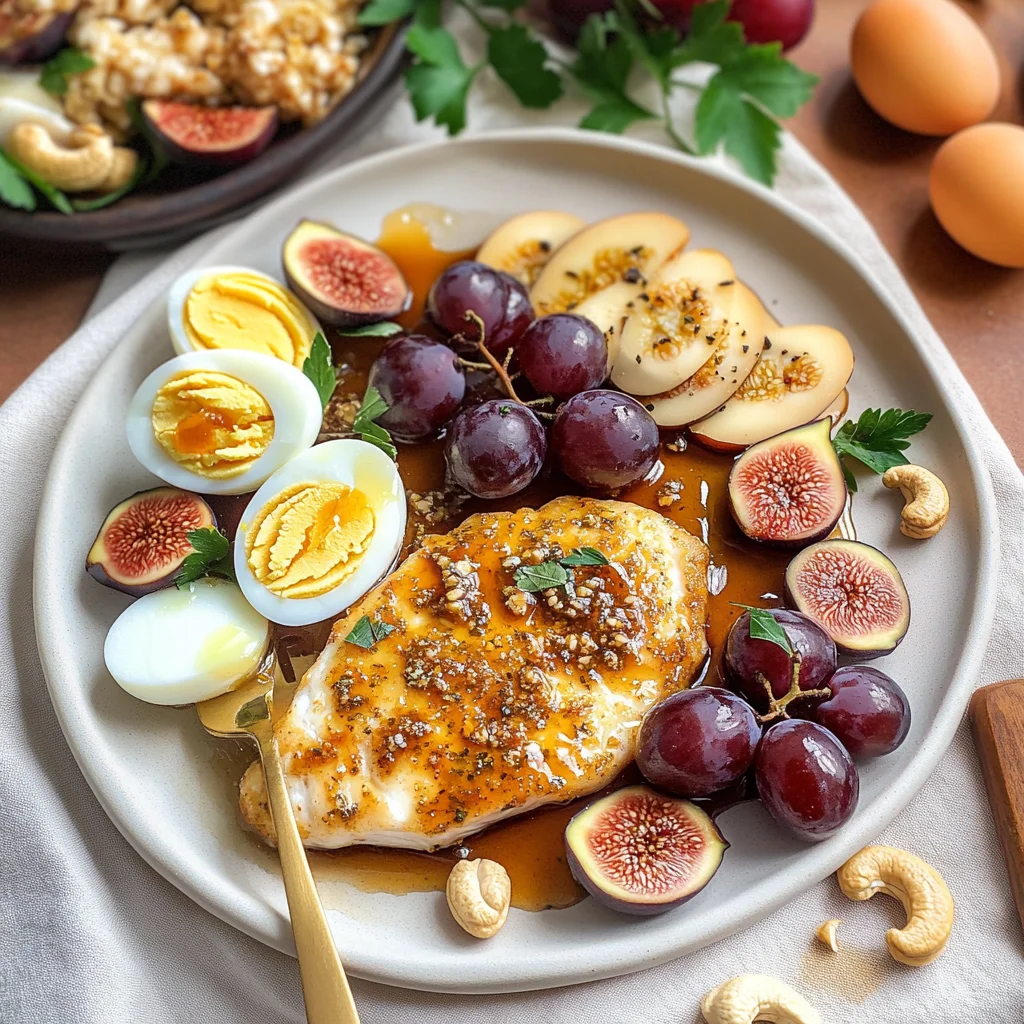
Once everything is prepped and you’re feeling proud (you should!), it’s time for the fun part: arranging all these gorgeous foods on a large cutting board or serving platter like an artist showcasing their masterpiece! Start by placing your perfectly baked tilapia fillets right in the center—the star of this show—golden brown and flaky, inviting everyone to dig in. Surround them with clusters of those vibrant red grapes; their juiciness will entice everyone at the table.
Next, artfully arrange those thick slices of sourdough bread around the edges, creating inviting spaces for guests (or family) to reach in without hesitation. Don’t forget about those gorgeous fig slices—they can be tucked between pieces of fish or scattered among grapes for visual appeal. And finally, showcase those beautifully sliced hard-boiled eggs at strategic points around your arrangement; their bright yellow yolks add such vibrancy!
As you look at this mosaic come together, take pride in knowing you’ve created something truly special—food that connects us deeply with tradition while celebrating community and love during Holy Week. This moment is utterly satisfying because it’s more than just food; it’s an experience crafted with care!
Next Major Phase – The Joyful Gathering
Now that everything is assembled beautifully on your platter, gather around your dining table filled with loved ones ready to celebrate this precious moment together! As everyone digs into this enticing spread during your Jerusalem Easter dinner (Holy Week Tradition), share stories about why certain foods hold meaning during this special time—what does each bite remind you of? Cooking isn’t merely about sustenance; it’s about connection, history, and love shared over food!
Enjoy every single bite knowing each ingredient was chosen thoughtfully—you’ve made something extraordinary today! And remember: this recipe isn’t just for one Holy Week; it can become part of many future celebrations filled with laughter and joy!
Storage and Enjoyment Tips for Your Jerusalem Easter Dinner (Holy Week Tradition)
Ah, the moment we’ve all been waiting for! The tantalizing aroma of your Jerusalem Easter Dinner fills the air, beckoning you to gather around the table with your loved ones. As you lay out this beautiful spread, take a moment to bask in the joy of sharing such a heartfelt meal. There’s something profoundly satisfying about enjoying a dish steeped in history and tradition. But what about those delightful leftovers? Let’s make sure you can savor every last bite long after the dinner bell has rung!
Storing Leftover Jerusalem Easter Dinner (Holy Week Tradition)
When it comes to storing your leftover Jerusalem Easter Dinner, I recommend using airtight containers to preserve the flavors and freshness of each component. Glass containers are fantastic because they don’t retain odors and make it easy to see what’s inside. If you’re planning on storing bread, place a piece of parchment paper between slices to maintain that perfect crust without becoming soggy—trust me; this little trick is absolutely paramount! Your leftovers will keep beautifully in the refrigerator for up to three days. As for taste? Everything melds together even more, creating a mouthwatering harmony that will make your taste buds dance! When you’re ready to enjoy again, simply warm the fish in a 350°F oven for about 10 minutes until heated through or enjoy the grapes, figs, and eggs cold for a refreshing treat.
Freezing Tilapia for Later
If you find yourself with extra tilapia fillets from your Jerusalem Easter Dinner, freezing them is a wonderful option! Wrap each cooled fillet tightly in plastic wrap or aluminum foil before placing them in an airtight freezer bag—this prevents freezer burn and preserves their delicate flavor. They’ll keep well frozen for up to three months. When you’re ready to enjoy another round of this delectable dish, simply thaw them overnight in the fridge, then reheat gently in the oven or on a skillet over medium heat until warmed through. This is such a convenient way to ensure you have a quick and nutritious meal ready at your fingertips! Plus, there’s something so lovely about pulling out homemade goodness from your freezer—it feels like an act of self-care!
Jerusalem Easter Dinner (Holy Week Tradition)
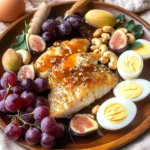
Experience the joy of gathering around a table with our vibrant Jerusalem Easter Dinner, a celebration of rich flavors and cultural traditions. This Mediterranean-inspired feast features herb-infused tilapia, sweet figs, juicy grapes, and crusty sourdough bread, creating a delightful blend that nourishes both body and spirit. As you prepare this meal, you’ll connect with history while crafting new memories with your loved ones. Perfect for Holy Week or any family gathering, this dish invites you to savor the moment together. With easy-to-follow instructions and wholesome ingredients, preparing this festive dinner becomes a heartfelt experience.
- Prep Time: 20 minutes
- Cook Time: 20 minutes
- Total Time: 40 minutes
- Yield: Serves 4
- Category: Main
- Method: Baking
- Cuisine: Mediterranean
Ingredients
- 4 herb tilapia fillets
- 2 bunches red grapes
- 1 loaf sourdough bread
- 6 figs
- 3 hard-boiled eggs
- 1/3 cup honey
- 1/3 cup apricot preserves
- 1/4 cup olive oil
- 2 tablespoons balsamic vinegar
- 1.6 ounces cashews (about 1/3 cup)
Instructions
- Preheat your oven to 400°F.
- Line a baking sheet with parchment paper.
- Place tilapia fillets on the sheet and bake for about 20 minutes until opaque.
- While the fish cooks, rinse grapes and slice figs into quarters.
- Slice sourdough bread into thick wedges and prepare hard-boiled eggs by slicing them in halves or quarters.
- In a bowl, mix honey and apricot preserves for drizzling.
- In another bowl, whisk olive oil and balsamic vinegar for dressing.
- Arrange baked tilapia, grapes, figs, hard-boiled eggs, and bread on a serving platter.
Nutrition
- Serving Size: 1 plate (350g)
- Calories: 540
- Sugar: 40g
- Sodium: 300mg
- Fat: 22g
- Saturated Fat: 3g
- Unsaturated Fat: 16g
- Trans Fat: 0g
- Carbohydrates: 70g
- Fiber: 6g
- Protein: 30g
- Cholesterol: 120mg